

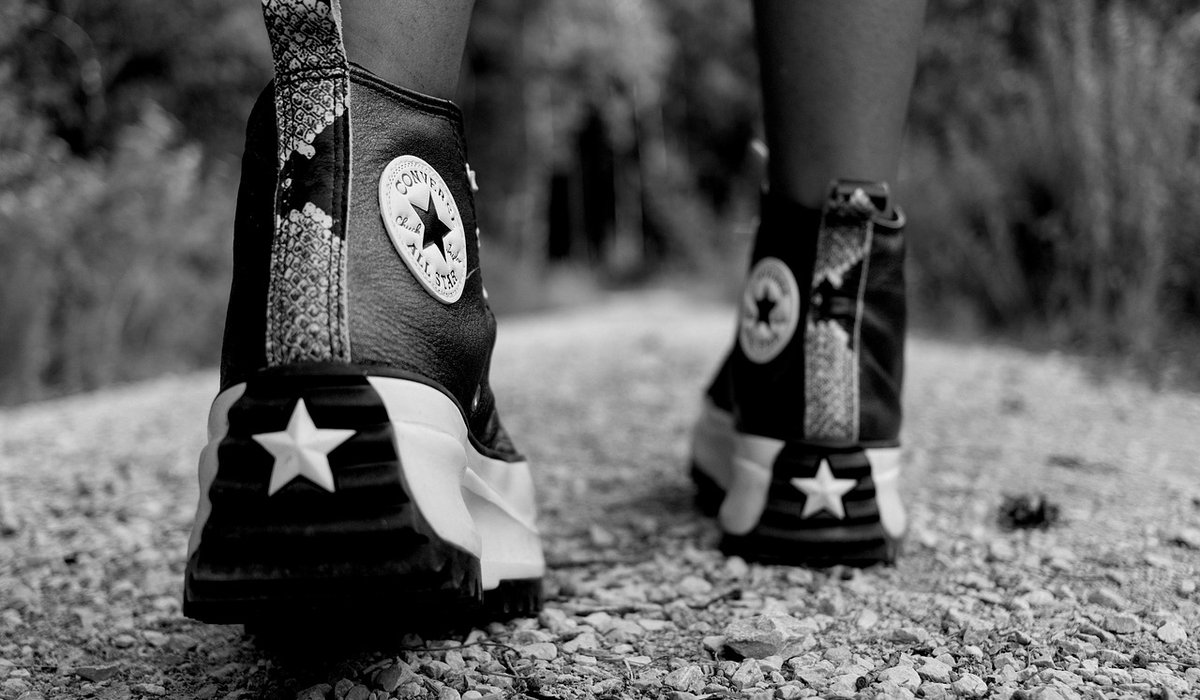
A weekend in the British countryside is less a packing challenge than a lesson in optimism management. You will check the forecast on Thursday, pack for sunshine, and spend Saturday morning walking through a fine, penetrating drizzle that nobody predicted. The trick is not to outguess the weather but to build a bag that copes with all of it — and still leaves room for a flask and a good book.
Start With Layers, Not One Big Coat
The most common mistake is packing a single heavy coat and hoping for the best. What you actually want is three thin layers you can add and remove as the day changes, because a British weekend can easily deliver frost at eight, warm sun at noon, and a cold wind off the hills by four.
- Base layer: merino wool or a synthetic wicking fabric. Avoid cotton next to the skin — it holds sweat, then chills you the moment you stop walking.
- Mid layer: a fleece or a thin down or synthetic jacket. This is the layer you will take off on the climb and pull straight back on at the summit.
- Outer layer: a waterproof jacket with taped seams, a decent hood and pit zips if you can find them. It should be big enough to wear over the mid layer without straining.
Between October and April, pack two mid layers rather than one. In summer, swap one for a light long-sleeved shirt that keeps the sun and the midges off your arms. Trousers matter too: quick-drying walking trousers beat jeans every time, and a pair of waterproof over-trousers takes up almost no space for the days when the rain settles in properly.
Footwear: Where the Weekend Is Won or Lost
If there is one item worth getting right, it is what goes on your feet. Everything else can be borrowed, improvised or shrugged off. Wet, rubbed feet will end a walk early and put a dent in the whole trip.
- Waterproof walking boots with decent ankle support for hills, moorland and anything rough underfoot.
- Wellies for flat, saturated ground — farm tracks, low field paths, estuary walks. They are wonderful there and miserable on a long climb.
- Trainers or approach shoes for village days, pub lunches and short lanes.
- Two pairs of socks per walking day, and one spare pair kept dry in a bag. Wool or wool-blend socks resist rubbing far better than cotton.
Wear your boots in before the trip, not on it. Blister plasters weigh nothing and are worth carrying even if you have never had a blister in your life.
Pack for the Hours Between the Walks
This is the part people forget, and it is often the best part of the weekend. A slow countryside trip is not a route march — it is a long lunch, an afternoon on a bench, an hour by a fire while the rain rattles the windows.
- A thermos flask. Fill it with tea, coffee or soup before you set out. There is nothing quite like a hot drink on a cold hillside, and it saves you cutting a walk short to find a café.
- A good book. Something absorbing enough to hold you through a rainy afternoon in a cottage or a quiet hour in a pub corner.
- A head torch. Evenings come early in winter, and rural lanes have no streetlights at all.
- A small flask and an enamel mug if you like a nightcap, plus playing cards or a notebook for the long, dark evenings.
- A lightweight sit mat or folded piece of foam. Dry, comfortable, and it weighs almost nothing.
The Practical Odds and Ends
- A dry bag or heavy zip bag for your phone, map and camera.
- A paper map and compass, plus a power bank. Signal vanishes in valleys, and a phone battery dies quickly in the cold.
- Sun cream and sunglasses. British sunshine is intermittent, not harmless.
- Midge repellent for the west coast, the Lakes and Scotland on still summer evenings.
- A reusable water bottle, refilled at the tap before you leave.
- A little cash for honesty boxes, rural car parks and pubs with patchy card machines.
- A separate stuff sack for wet kit, so it does not soak everything else in the bag.
Packing It In, and Getting It Dry Again
A soft holdall or a 30–40 litre rucksack is plenty for two or three nights. Roll your clothes rather than folding them — it saves space and reduces creasing. Keep the waterproofs at the top of the bag, not buried at the bottom, because you will want them within the first mile.
When you get back, deal with wet kit straight away. Stuff damp boots with newspaper and leave them somewhere cool and airy — never on a radiator, which will crack the leather and warp the soles. Hang waterproofs to drip rather than tumble drying them, and pull the insoles out of your boots. A little care on Sunday evening means the kit is ready for the next escape, whenever the forecast looks half reasonable.
And that is the real point of packing this way. You are not preparing for the worst; you are buying yourself the freedom to go out anyway, to walk the extra mile, to sit a while longer on the bench watching the valley. Layer up, sort your feet out, and pack the flask. The weather will do what it likes.


Coding is used in almost all aspects of life and work now, be it directly or indirectly. It’s not just for companies in the tech sector. “An increasing number of businesses rely on computer code,
Coding is used in almost all aspects of life and work now, be it directly or indirectly. It’s not just for companies in the tech sector. “An increasing number of businesses rely on computer code,
Coding is used in almost all aspects of life and work now, be it directly or indirectly. It’s not just for companies in the tech sector. “An increasing number of businesses rely on computer code,