

Why the countryside is the natural place to switch off
There is a particular moment, usually somewhere on the last stretch of single-track lane, when the signal bars vanish and something in your shoulders drops. The countryside does the hard work for you. Patchy reception, no 5G, and a cottage down a rutted track mean the constant low hum of notifications simply stops arriving. Rather than relying on willpower, you are leaning on geography.
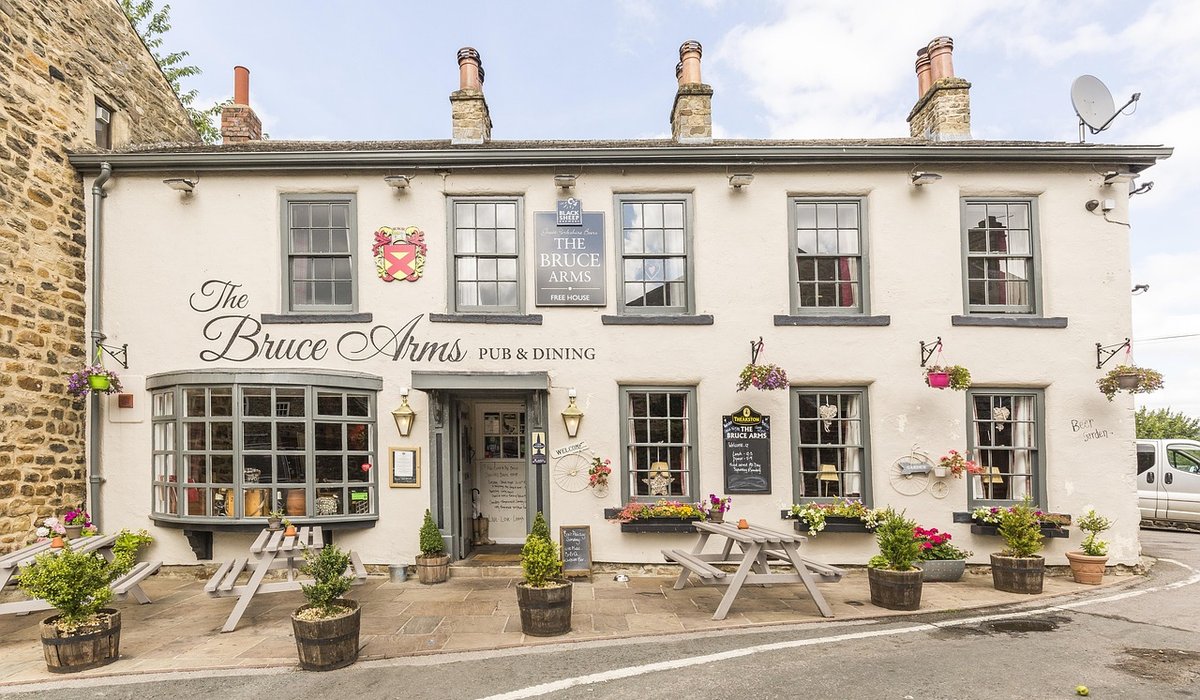
Add to that the things rural Britain does better than anywhere: birdsong at half five in the morning, a footpath from the door, dark skies in places like the Northumberland coast or the Galloway hills, and a pub that serves a proper roast on a Sunday. A digital detox stops feeling like deprivation and starts feeling like a holiday.
Choosing a cottage that actually helps
The property matters more than you might think. A cottage with a giant smart television in the sitting room will win the argument on a wet Tuesday afternoon. Look for places that describe themselves as unplugged, off-grid or television-free, and read the small print about Wi-Fi — some cottages have none at all, others have a router you can simply unplug and put in a cupboard.
The practical details that make a rural week work:
- A footpath or bridleway leaving from the gate, so you can walk without driving anywhere.
- A boot room or porch with a tray for muddy boots, plus a drying rack for waterproofs.
- A log burner or open fire, with a decent stock of logs included.
- A shelf of second-hand books, a jigsaw and a cupboard of board games.
- A village shop or farm shop within a short drive for milk, bread and a newspaper.
- A garden bench facing the evening sun, and ideally a view with nothing man-made in it.
Older stone cottages with thick walls tend to kill mobile reception beautifully. If you need a signal for emergencies, ask the owner which network works — it is often just one.
Prepare before you go, so you don't cave on day two
Most failed detoxes are logistical failures rather than moral ones. If you have not downloaded the map, you will reach for your phone. If you have not told work, you will check your email. Spend an hour sorting the following before you leave:
- Set a proper out-of-office with a return date, and name a colleague for anything urgent.
- Download offline maps for your area, or better still buy a paper Ordnance Survey map — the 1:25,000 Explorer series shows field boundaries, footpaths and stiles.
- Print or photograph two or three route cards so you are not improvising in the rain.
- Pack a paper book, a notebook and a pen, and a camera if you like photographing rather than scrolling.
- Tell family and friends you will be largely offline and agree one check-in time a day if you need one.
- Bring a battery pack and a car charger, so a flat phone never becomes an emergency.
Keep the phone if it makes you feel safer, but put it on aeroplane mode in a drawer and treat it as a camera and a compass. Out of sight genuinely is out of mind.
How to shape a simple day
The rhythm that works best is an early walk, a long lunch, and a slow evening. Walk before breakfast, while the mist is still in the valley and the only company is a curlew or a skylark. Six to eight kilometres is plenty — roughly two hours at a conversational pace — and it earns you the rest of the day.
A sample day might look like this:
- Morning: a loop on footpaths from the door, flask of tea in a rucksack, back by eleven.
- Midday: a pub lunch, or bread, cheese and tomatoes from the village shop eaten on a bench.
- Afternoon: something in a slow cooker or a casserole in the oven, then reading, a jigsaw or a nap.
- Evening: a short twilight wander to listen for owls, then supper and a board game by the fire.
The point is not to fill the day. The point is to notice how much time there is when nothing is pinging at you.
Planning for the weather
It will rain. Accept it in advance and the week is transformed. Take waterproof jackets and trousers rather than umbrellas, which are useless on exposed fell tops, and pack two pairs of walking boots if you can. Save one wet-weather day for a market town: a church, a small museum, a café with proper cake and a browse round a hardware shop can fill four happy hours.
At the cottage, rain is an excuse rather than a problem — bake something, finish the book, sort the jigsaw, or walk to the pub under a big coat. Some of the best memories of a rural week involve getting thoroughly soaked and then drying out by a fire.
Bringing the calm home
Before you leave, decide on one habit worth keeping. Phone-free breakfasts are the easiest to defend. A walk every weekend, however short, is the next. A single tech-free evening a week, with the television off and the phones in a drawer, will do more for your sleep than any app.
The countryside is not a cure, but it is an excellent reminder of how little you need to feel properly rested — a footpath, a hot meal, a good chair and a fire.


Coding is used in almost all aspects of life and work now, be it directly or indirectly. It’s not just for companies in the tech sector. “An increasing number of businesses rely on computer code,
Coding is used in almost all aspects of life and work now, be it directly or indirectly. It’s not just for companies in the tech sector. “An increasing number of businesses rely on computer code,
Coding is used in almost all aspects of life and work now, be it directly or indirectly. It’s not just for companies in the tech sector. “An increasing number of businesses rely on computer code,