

Why One Lens Changes Everything
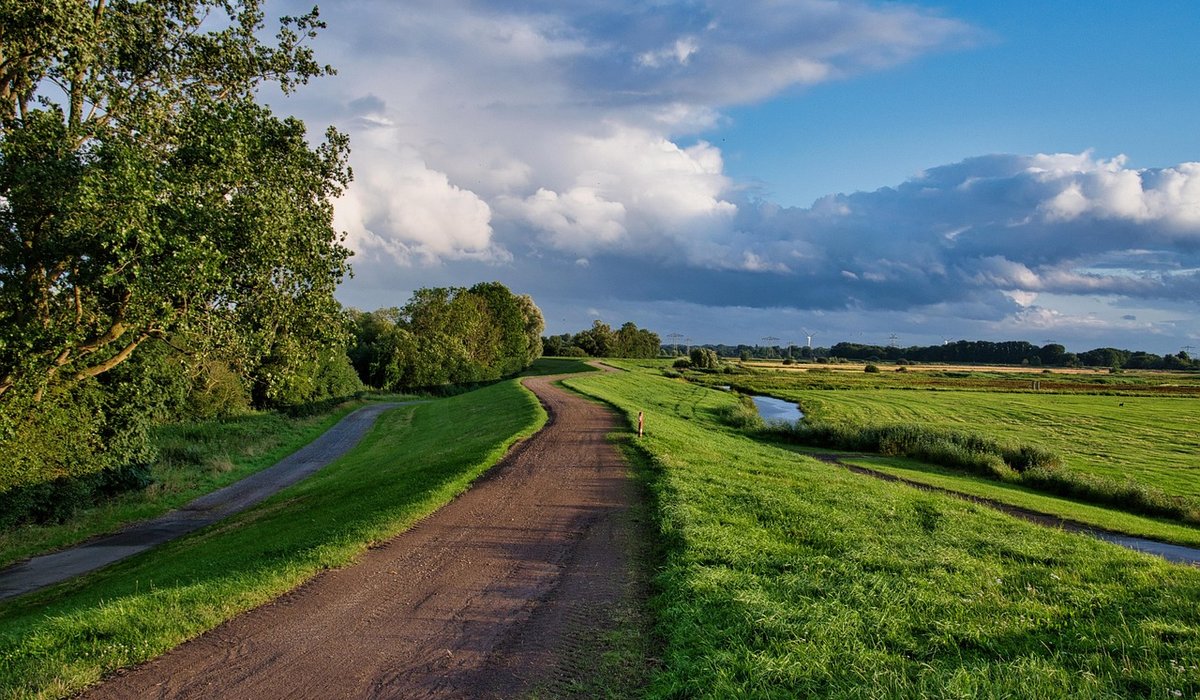
There is a particular kind of freedom in leaving the house with one camera and one lens. No rucksack of glass, no tripod digging into your shoulder, no low hum of anxiety about which focal length you ought to be using. When the choice is removed, something else arrives: attention. You stop scanning for the perfect composition and start noticing what is actually in front of you — the grain of a weathered gate, frost gathered in the folds of a fallen leaf, low winter sun raking across a ploughed field.
Slow travel is not really about distance. It is about pace and presence, and a mindful photography walk applies the same idea to a path you already know. The aim is not a portfolio. It is to come home with two or three frames that genuinely belong to the morning you had.
Choose a Footpath You Already Know
Familiarity is an advantage, not a cop-out. When you already know the route, you stop navigating and start looking. Pick a circuit you can walk in ninety minutes to two hours: a bridleway loop, a stretch of canal towpath, a favourite section of a long-distance trail. Public footpaths are usually waymarked with yellow arrows, bridleways with blue, and a paper map at 1:25,000 will show you stiles, gates and field boundaries at a glance.
If you can, walk the route once without the camera. Note where the path narrows, where trees close overhead, where a stream runs alongside. These are the places where light and texture tend to gather.
Read the Light Before You Raise the Camera
Light is the real subject of most memorable photographs, and the British weather gives you a wide palette if you stop fighting it. The hour after sunrise and the hour before sunset offer long shadows and warm, directional light. Overcast days are not a write-off; they act like a giant softbox, revealing detail in moss, bark and stone that harsh sun would blow out.
Learn to notice three things:
- Direction: side light reveals texture, back light separates a subject from its background, front light flattens it. Move your feet before you move your settings.
- Quality: is the light hard and contrasty, or soft and even? Cloud cover, mist and drizzle are working conditions, not reasons to stay indoors.
- Colour: blue hour before dawn, golden hour after, and the cool green shade under a beech canopy at midday.
Rain is often the best friend of the detail photographer. Wet surfaces deepen colour, and puddles give you reflections and a second version of the sky. A lightweight showerproof layer for you and a microfibre cloth for the lens will cover most days.
What to Photograph When There Seems to Be "Nothing" There
The trick is to lower your sights, literally and metaphorically. Instead of looking for a view, look for a square foot of ground. Stand still for a full minute and let your eyes travel. Most paths are rich with material if you give them time.
- Texture: lichen on a drystone wall, the weave of a woollen gate latch, cracked mud, gravel, the grain of a wooden stile worn smooth by hands.
- Small dramas: a spider's web strung with dew, a single feather caught in a fence, seed heads against the sky.
- Layers: foreground grasses, a mid-ground hedge, a distant hill. Compress them with your feet rather than a zoom.
- Human traces: a fingerpost, a stile, a flask resting on a bench. These quiet markers say something honest about walking in the UK.
If you are stuck, give yourself a theme for the walk. "Gates and stiles." "Ten shades of green." "Things the rain has touched." A constraint is a kindness; it stops the mind from wandering and gives every step a small purpose.
A Simple Rhythm for the Walk
Mindfulness and photography are both practices of returning. A gentle structure helps:
- Walk for ten minutes without taking the camera out. Let your eyes adjust and your breathing settle.
- Choose one subject and spend five minutes on it, moving around it rather than photographing it once from standing height.
- Then walk again, unhurried, until something stops you.
- At the halfway point, sit for five minutes. No camera. Just listen and look.
Aim for a handful of deliberate frames rather than hundreds of hurried ones. Reviewing twenty thoughtful images over a flask of tea is far more satisfying than scrolling through two hundred near-identical ones.
What to Carry, and What to Leave Behind
Keep the kit light and the walk comfortable. A small camera with a fixed lens — a 35mm or 50mm equivalent is ideal — covers almost everything on a footpath. Add a spare battery, a cloth, a waterproof stuff sack and a phone for emergencies and notes.
For the walk itself: supportive shoes or boots with grip for mud and wet chalk, a light waterproof, a hat, water and a snack. In winter, a head torch is sensible if your route might run into dusk. Leave behind the tripod, the extra lenses and the pressure to produce. What you are really packing is time.
Come home, make a cup of tea, and look at your images slowly. Notice what drew your eye — a colour, a shape, a quality of light. That noticing is the real souvenir of a slow walk, and it will be waiting for you on the same footpath next week.


Coding is used in almost all aspects of life and work now, be it directly or indirectly. It’s not just for companies in the tech sector. “An increasing number of businesses rely on computer code,
Coding is used in almost all aspects of life and work now, be it directly or indirectly. It’s not just for companies in the tech sector. “An increasing number of businesses rely on computer code,
Coding is used in almost all aspects of life and work now, be it directly or indirectly. It’s not just for companies in the tech sector. “An increasing number of businesses rely on computer code,